Source THHN Wire for Industrial Heating and Construction
Find 30 listings for THHN wire suitable for industrial power circuits, heating applications, and construction projects. Buyers can compare stranded or solid copper options with PVC insulation across various voltage ratings and packaging types.
Key considerations
Products List






Comprehensive Sourcing Guide
Strategic Sourcing Guide for THHN Wire Procurement
Navigating the global market for THHN (Thermoplastic High Heat-resistant Nylon-coated) wire requires a disciplined approach that balances technical precision with rigorous supplier vetting. For procurement professionals, the core objective is to secure conductors that meet specific electrical and environmental demands without compromising on safety or compliance. The THHN wire category is defined by a distinct set of material properties, including copper conductors, PVC insulation, and a nylon outer sheath, designed primarily for low-voltage applications up to 600V. Buyers must understand that while the product name is standardized, the underlying specifications can vary significantly between manufacturers, particularly regarding conductor stranding, insulation thickness, and certification validity. This guide outlines the critical factors for sourcing this essential electrical component, ensuring that procurement decisions are grounded in verified facts rather than marketing claims.
Technical Specifications and Conductor Architecture
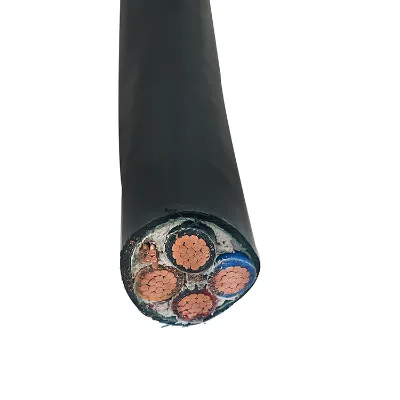
The foundation of any THHN wire procurement lies in understanding the precise technical architecture of the product. The supplied data indicates that the conductor material is predominantly copper, though some listings mention bare copper wire or AA-8000 aluminum alloy as alternatives. For THHN applications, copper remains the standard due to its superior conductivity and mechanical strength. The conductor type is a critical variable; the market offers both solid and stranded configurations. Stranded conductors are generally preferred for applications requiring flexibility, such as in control circuits or where the wire must be pulled through tight bends, while solid conductors are often utilized in fixed installations.
The insulation material is consistently identified as PVC (Polyvinyl Chloride), which provides the necessary dielectric strength and thermal resistance. A defining characteristic of THHN wire is the nylon coating, which offers protection against abrasion, moisture, and chemicals. This dual-layer system—PVC insulation with a nylon jacket—allows the wire to operate at temperatures up to 90°C in dry locations. The voltage rating is a fixed parameter for this category, typically listed as 600V, making it suitable for low-voltage industrial power and control circuits.
Buyers must also verify the cross-sectional area, as the available sizes range widely from 12 AWG up to 2000 KCMIL, with common intermediate sizes including 8 AWG, 10 AWG, 12 AWG, and 14 AWG. The physical shape of the wire is round, and the product is typically supplied in rolls, reels, or on wooden drums. When evaluating a supplier's technical data sheet, the buyer should confirm that the specific AWG size matches the project's ampacity requirements and that the insulation thickness adheres to the relevant national or international standards.
Compliance and Certification Verification
In the electrical wire industry, certification is not merely a formality but a critical indicator of product safety and market eligibility. The observed product listings frequently cite a range of certifications, including RoHS, CCC, CE, ISO, and UL. The presence of the UL (Underwriters Laboratories) certification is particularly significant for THHN wire, as it often relates to compliance with the UL 83 standard, which governs thermoplastic-insulated wires. The CCC (China Compulsory Certification) is essential for products manufactured in China intended for the domestic market or exported to regions requiring Chinese compliance.
However, buyers must exercise caution when interpreting certification claims. The data shows that while some products list multiple certifications like RoHS, CCC, and ISO, others may only list ISO or RoHS. It is imperative to verify the validity of these certificates with the issuing bodies rather than relying solely on the supplier's marketing materials. For instance, a claim of "RoHS compliance" must be backed by a specific test report demonstrating that the PVC insulation and copper conductor meet the restrictions on hazardous substances. Similarly, the "UL" certification mentioned in the context should be cross-referenced to ensure it applies to the specific THHN product line and not just a generic company accreditation.
The standard for the wire itself is another area requiring strict verification. While the text references standards such as 12 AWG to 2000 KCMIL and specific size standards like 3.5mm², these are dimensional specifications rather than safety standards. The buyer should explicitly request the applicable safety standard, such as UL 83 or equivalent IEC standards, to ensure the wire meets the necessary fire safety and electrical performance criteria for the intended application.
Cost Drivers and Pricing Dynamics
The pricing of THHN wire is influenced by a complex interplay of raw material costs, manufacturing complexity, and order volume. The observed price range in the market spans from $0.05 to $100 per unit, a vast disparity that reflects differences in wire gauge, length, and packaging. The primary cost driver is the price of copper, which fluctuates on the global commodities market. Since the conductor is the core component, any increase in copper prices directly impacts the final cost of the wire.
Order volume is the second significant factor. The Minimum Order Quantity (MOQ) observed ranges from 1 to 10,000 units. Suppliers offering lower MOQs, such as 1 unit, may charge a premium per unit to cover handling and logistics costs. Conversely, purchasing in bulk on wooden drums or steel drums can significantly reduce the cost per meter. The packaging method also plays a role; "soft packing in coil" with 100m per roll is standard for smaller orders, while larger industrial projects often require wire on drums to facilitate efficient installation.
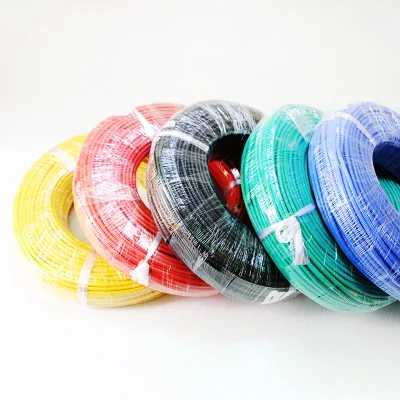
Customization is another variable that affects cost. The data indicates that customization is available, allowing buyers to request specific colors, lengths, or conductor types. While this flexibility is valuable for meeting specific project requirements, it can introduce additional setup costs and potentially longer lead times. Buyers should weigh the necessity of custom specifications against the cost savings of ordering standard off-the-shelf products in standard colors like white, blue, red, black, brown, or yellow.
Typical Applications and Environmental Suitability
THHN wire is versatile, but its application is governed by specific environmental and electrical constraints. The primary use cases identified include industrial power circuits, control circuits, and construction projects. The wire is designed for use in dry locations, though the "THWN" variant (often grouped with THHN) is rated for wet locations. The temperature rating of 90°C makes it suitable for high-heat environments, such as near motors or in industrial heating applications.
The range of application extends to overhead, underground, and general construction uses. However, the "Flame Retardant" attribute listed in the data suggests that specific variants of the wire are designed to resist the spread of fire, which is a critical requirement for building codes in many jurisdictions. For underground applications, the nylon coating provides essential protection against moisture and chemical exposure, but the buyer must ensure the specific product is rated for direct burial if that is the intended use.
The voltage rating of 600V limits the wire to low and medium voltage applications. It is not suitable for high-voltage transmission lines. In construction settings, THHN wire is commonly used for branch circuits, feeders, and motor connections. The "AC Cable" designation indicates its suitability for alternating current systems, which is the standard for most commercial and industrial power distribution. Buyers should always match the wire's temperature and voltage ratings to the specific demands of the installation to prevent premature failure or safety hazards.
Supplier Evaluation and Quality Assurance
Selecting the right supplier is as important as selecting the right product. The data indicates that the origin of these products is primarily China, with specific mentions of Hebei as a manufacturing hub. While this region is known for its robust electrical manufacturing capabilities, it also necessitates rigorous due diligence. Buyers should evaluate suppliers based on their ability to provide valid, up-to-date certification documents and their track record for consistent quality.
Quality control should be a central part of the supplier evaluation process. Buyers should request sample units, as the data notes that samples are often available for free. Testing these samples for conductor resistance, insulation thickness, and tensile strength can reveal discrepancies between the supplier's claims and the actual product quality. Additionally, the supplier's ability to provide detailed product specifications, including the exact standard number (e.g., UL 83) and material composition, is a strong indicator of their professionalism and reliability.
When comparing suppliers, consider their packaging capabilities. The data lists various packing options, including rolls, reels, coils, and drums. A supplier with flexible packaging options can better accommodate the logistical needs of the buyer, whether for small-scale repairs or large-scale infrastructure projects. Furthermore, the availability of customization should be assessed; a supplier that can easily accommodate specific color or conductor requirements demonstrates a more adaptable manufacturing process.
Long-Term Procurement and Supply Chain Resilience
Sourcing THHN wire is not a one-time transaction but part of a long-term supply chain strategy. The lead times and production capacity of the supplier are critical factors that can impact project timelines. While specific lead times are not provided in the data, the range of MOQs suggests that suppliers can handle both small and large orders. Buyers should establish clear communication channels with suppliers to ensure timely delivery, especially for projects with tight deadlines.
Long-term considerations also include the stability of the supply chain. Given that the raw material is copper, buyers should be aware of potential market volatility. Establishing a relationship with a supplier who has a stable supply of raw materials and a robust inventory management system can mitigate the risk of price spikes or shortages. Additionally, the supplier's commitment to continuous improvement and adherence to evolving safety standards ensures that the procured wire remains compliant with future regulations.
In conclusion, successful procurement of THHN wire requires a meticulous approach that prioritizes technical accuracy, certification validity, and supplier reliability. By focusing on the core attributes of the wire—such as copper construction, PVC insulation, and nylon coating—and verifying these against the relevant standards and certifications, buyers can secure high-quality products that meet the demanding requirements of industrial and construction applications. The strategic selection of a supplier who offers flexibility in packaging and customization, combined with a transparent quality assurance process, will ensure a resilient and cost-effective supply chain for this essential electrical component.
FAQs
What certifications are available for THHN wire?
THHN wire typically carries RoHS, CCC, CE, ISO, and UL certifications. Buyers must verify that specific certificates like UL 83 apply to the exact product line rather than generic company accreditations.
Which conductor types are offered for THHN wire?
Conductors are available as solid or stranded copper, with some listings offering bare copper or aluminum alloy. Stranded types suit flexible control circuits, while solid types fit fixed installations.
How is THHN wire packaged for shipment?
Products ship in rolls, reels, coils, or on wooden and steel drums. Soft packing in coils often contains 100 meters per roll, while drums accommodate larger industrial project volumes.
Can I request customization for THHN wire?
Customization is available for specific colors, lengths, and conductor types. While this flexibility meets project needs, it may introduce setup costs and require longer lead times than standard orders.
What is the voltage rating for THHN wire?
The standard voltage rating is 600V, suitable for low and medium voltage applications. This limits usage to industrial power and control circuits rather than high-voltage transmission lines.
Where are THHN wire manufacturers located?
Manufacturing origins are primarily in China, with specific hubs noted in Hebei. Buyers should evaluate these suppliers for valid certification documents and consistent quality control processes.